PlacesFrankfurt
Short-term furnished lets for a posting in Frankfurt
All year
A posting of six months falls between a hotel and a proper tenancy, and Germany has a specific arrangement for it. What a furnished temporary let commits you to, how deposits and notice periods differ from a normal contract, what has to be registered, and the questions that decide whether the flat is actually liveable.
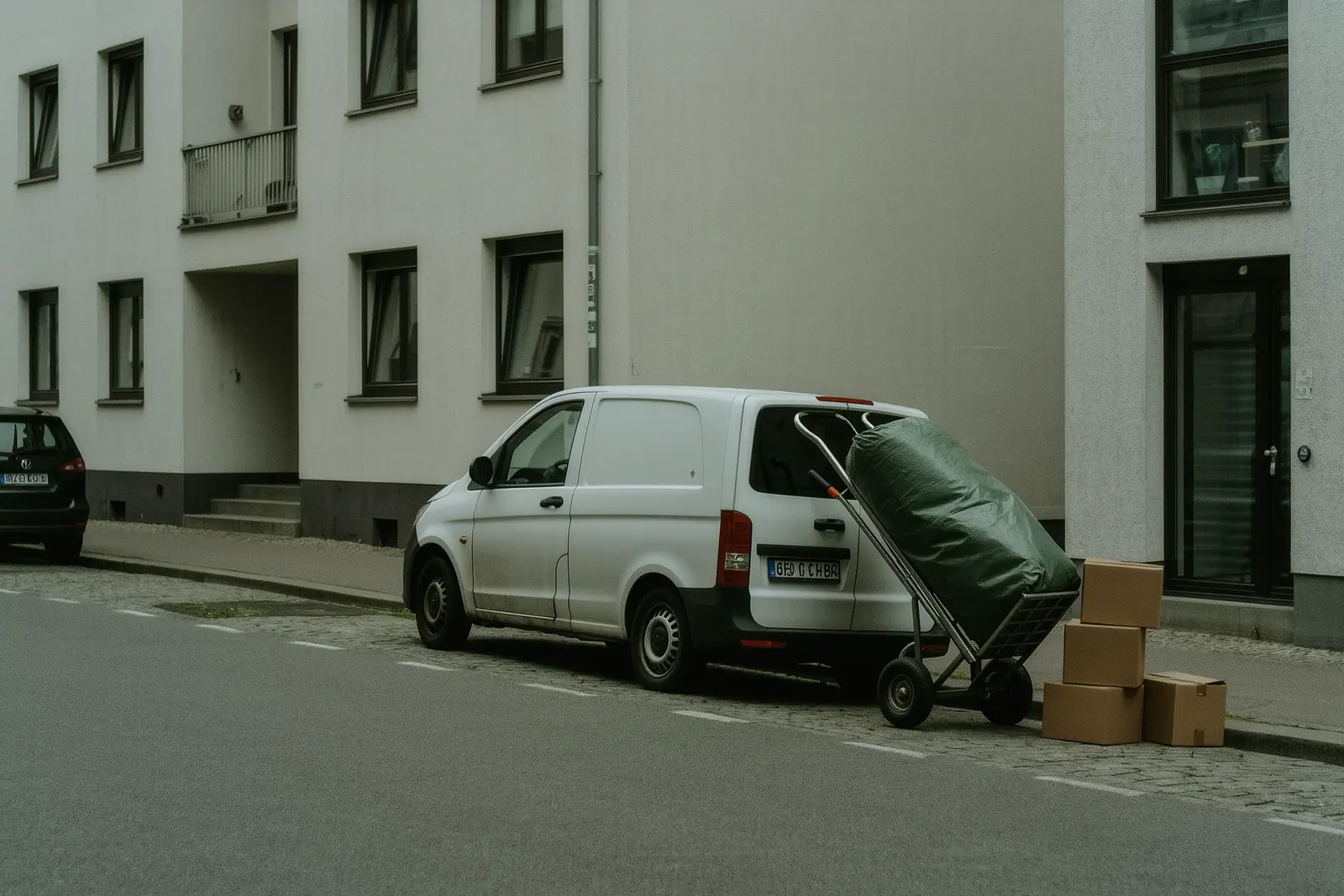
The posting is six months, starting in about eight weeks, and nobody has said whether it might become nine. That single uncertainty is the whole problem: a hotel for six months is absurd, a standard tenancy for six months is difficult to end, and the middle ground has its own rules that are not obvious from outside the country.
Frankfurt has a deeper supply of this middle ground than almost anywhere in Germany, because the city runs on people who arrive for a defined period. That is good news for choice and bad news for price in the specific weeks when the exhibition grounds are busy.
What you are actually signing
Three arrangements get called the same thing, and they behave differently.
| Arrangement | Typical length | Rent basis | Ends how |
|---|---|---|---|
| Serviced apartment | Nights to a few months | Nightly or monthly, all-inclusive | You check out |
| Furnished temporary let | Three to twelve months | Monthly, often inclusive of utilities | On the agreed date |
| Standard furnished tenancy | Open-ended | Monthly plus a utilities advance | By notice, on statutory terms |
The middle row is what most postings need. German tenancy law distinguishes between open-ended agreements and those limited in time or let for temporary use, and the differences reach into notice periods, rent rules and what happens if you want to leave early. The contract should state which basis applies and why. If it does not, that is a question to ask before signing rather than a detail to discover later — and for anything of real length or value, take proper advice on the current legal position.
What “furnished” means, and what it does not
There is no standard. A furnished flat in Frankfurt can arrive with everything including a corkscrew or with a bed, a table and nothing else.
Ask specifically about:
- Kitchen. German flats are frequently let without one at all. A furnished let should have one, but confirm it includes an oven, a fridge and something to cook on, and whether there is a dishwasher.
- Washing machine. In the flat, in a shared basement, or nowhere. This is the single most common gap.
- Bedding, towels, crockery. Present in a serviced apartment, frequently absent in a furnished let.
- Internet. Whether a line exists and is active, whose name the contract is in, and whether you can use it from day one. Getting a new connection installed in Germany takes weeks, not days.
- Storage. A cellar compartment is normal in older buildings and useful if you brought more than two suitcases.

Money: rent, utilities and the settlement
Two rent structures exist and the difference matters over six months.
Inclusive. One figure covering heating, water, electricity and often internet. Simple, slightly higher, and the right choice for a short posting because it removes an annual settlement you will not be here for.
Cold rent plus an advance. The standard German structure: a base rent plus a monthly advance against heating and service costs, reconciled once a year. If your tenancy ends mid-cycle you may receive a bill or a refund months after you have left the country, which is administratively unpleasant from abroad.
For a posting, push for inclusive. If the landlord insists on the second, agree in the contract how and when the settlement will be handled and to which account, before you hand back the keys.
Registration, and the paperwork around it
Registering your address with the local authority is a legal obligation in Germany, normally within a short window after moving in, and the landlord is generally required to supply a written confirmation that you live there. That document is not optional bureaucracy — it feeds into bank accounts, tax identification and much else.
Some short-let arrangements will not issue it, either because the flat is not set up for it or because the owner does not want a registered occupant. If you need to register, establish this before signing. Check the current requirements and deadlines with the city rather than relying on what a previous colleague did two years ago, because the details change.
The same caution applies from the other direction: German cities restrict the short-term letting of residential flats, and permissions may be required for lets below certain durations. That is the landlord’s obligation rather than yours, but a let that is not properly permitted is a let that can end abruptly.
The handover, which is where deposits are lost
Do the inventory properly. It takes forty minutes and it is the only evidence you will have in six months.
- Walk the flat with the landlord or agent, list and photograph every existing mark, scratch and stain, and both sign the list.
- Photograph every meter — electricity, gas, water, heat — with the reading legible and the date on the file.
- Test everything that switches on. Every hob ring, the oven, the boiler, the washing machine, every socket you will use, and the internet.
- Count keys, including cellar, letterbox and building doors, and write the number into the handover note.
- Ask where the waste bins are and how the separation works. It is taken seriously, and the caretaker will find you.
Which district, and when to sign
Availability follows the same calendar as everything else. Furnished stock is tighter and dearer in the weeks around the big fairs, because owners can let the same flat nightly at a large multiple, and it is loosest in midsummer and January. If your start date is flexible by a fortnight, that is worth real money.
On location, the eastern and southern districts give the best value for a posting — see Bornheim or Sachsenhausen for how they differ in practice. And if you are arriving with more than you can carry, arrange the storage before you arrive rather than after, because a furnished flat has no room for the boxes that a furnished flat makes unnecessary.
What to check before you book
- Ask on what legal basis the flat is let short-term, and get the term and the notice period written into the contract.
- Get a written inventory with photographs at handover, signed by both sides, before you move anything.
- Establish whether the rent is inclusive of heating, water and electricity, or whether a settlement follows at the end.
- Check the internet: whether a line exists, whose name it is in, and what speed it actually delivers.
- Confirm what the landlord expects about registering your address, and check the local requirements yourself.
- Ask what happens if the posting is extended by two months, and whether an extension is possible at the same rent.
- Read the flat's house rules on quiet hours, waste separation and visitors before you sign, not after a complaint.
Questions people actually ask
- What counts as a short-term furnished let in Germany?
A tenancy let for a limited period, furnished, usually for a stated reason such as a posting, a project or a course. German law treats fixed-term and temporary-use tenancies differently from open-ended ones, and the requirements are specific. The exact basis and what it allows on both sides should be named in the contract, and it is worth taking advice on the current rules rather than relying on a template.
- How much deposit will be asked for?
Commonly one to three months of the cold rent, sometimes replaced by a guarantee arrangement in corporate lettings. There are statutory limits on deposits for residential tenancies in Germany and rules about how the money must be held, and both are worth verifying for your specific contract. Get the deposit terms and the return timetable in writing before you transfer anything.
- Do I have to register my address?
Registering a residential address with the local authority is a legal requirement in Germany, with a short deadline after moving in, and the landlord normally has to provide a confirmation document. There are exceptions for very short stays and specific situations. Check the current rules and deadlines with the city, and ask the landlord in advance whether they will issue the confirmation, because some short-let arrangements do not.
- Is a furnished let cheaper than a serviced apartment?
For anything beyond about three months, yes, usually by a wide margin, because you are renting a flat rather than a service. You take on the utilities, the internet contract, the cleaning and the administration in exchange. Below three months the serviced option often wins once the set-up effort is counted, particularly if your dates straddle a busy fair week.