Two wheelsFrankfurt
Bike hire for a few days here, or the sharing apps
Apr–Oct
A city you can cross in twenty minutes, a river path along the whole length of it and a green ring around the old centre. The sharing fleets are built for the last mile and priced for it. For anything longer than a day, a shop rental wins on cost, on fit and on the lock it comes with.
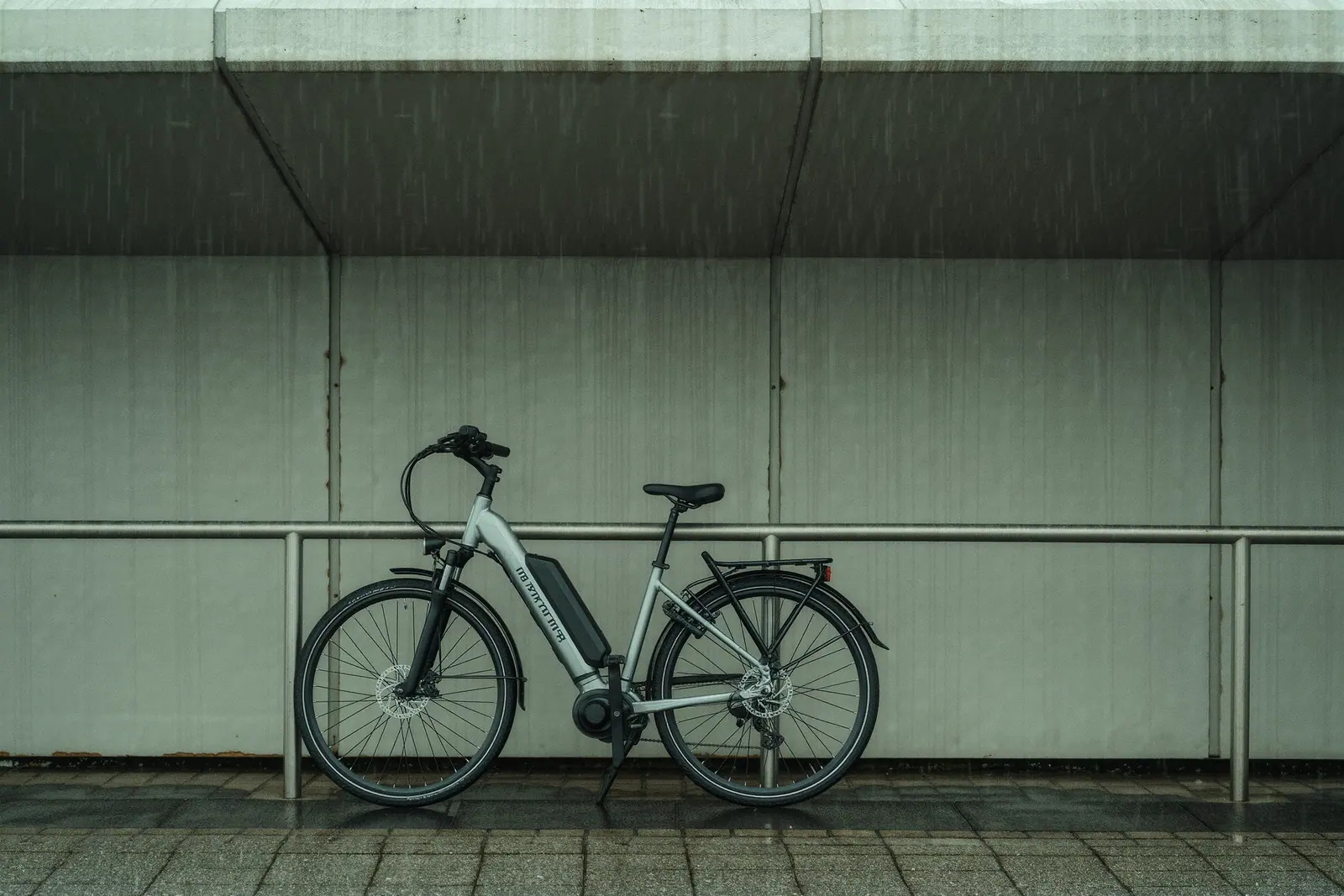
The city is flat. That is the first thing to say, because visitors arriving from hillier places assume otherwise and hire an electric bike they did not need. From the main station to the old centre is a few minutes; from Bornheim to Sachsenhausen is a quarter of an hour. Inside the ring you can cross the whole thing in about twenty minutes on an ordinary bike.
Two pieces of geography make it work. The riverside path runs the full length of the city on both banks, and a ring of park following the line of the old ramparts loops the old centre almost completely, so a route that stays on those two avoids most of the traffic entirely.
The three products
| Shop hire | Station-based sharing | Free-floating sharing | |
|---|---|---|---|
| Pricing | Day or week, flat | Per period, from a dock | Unlock plus per minute |
| Best for | Two days or more | Regular commuting | The last mile |
| Fit | Sized to you | Whatever is docked | Whatever is nearest |
| Lock and lights | Included | Not your concern | Not your concern |
| Puncture | Their problem, via a callout | Take another one | Take another one |
| End of ride | Back to the shop | A dock | Inside the zone, parked legally |
| Overnight | Your responsibility | Not applicable | Not applicable |
The arithmetic is not close once you leave the last-mile use case. Sharing is priced for a journey; a shop is priced for a period. Some transit season tickets bundle an initial free period on certain sharing systems, which shifts the maths if you have one — check the current terms rather than assuming, because those arrangements are revised regularly.
What a shop bike gives you that an app does not
A bike that fits. Saddle height alone changes a three-hour ride from pleasant to painful, and no free-floating fleet is adjusted for you.
A lock you can trust, and permission to use it. Sharing bikes are designed to be left; a hired bike is designed to be locked. If you want to stop for two hours at a museum, the shop bike is the one that makes that easy.
Lights, a rack and mudguards. Trivial until it rains, or until you are riding back along the river at ten in the evening.
Somebody to call. Ask what the callout arrangement is on a puncture and what it costs. On the eastern reach of the river path you are a long way from a station.
The overnight problem
Nobody mentions this at the counter and it decides a lot.
A shop rental is yours until you return it, including at three in the morning. The apartment buildings in the older districts have courtyards and cellars, but few of them have anything you would leave a bike in with confidence, and hotels in this city are largely built for people arriving by train or by air rather than on two wheels. Secure storage is the exception.
So ask two questions before you take the bike. What is the theft liability if the lock is cut, and is there a deposit or an excess attached to it? And where does the shop suggest you keep it — they will know which streets to avoid, and the answer is more useful than any general advice.
If the honest answer is that you have nowhere safe, hire by the day rather than the week and hand it back each evening. It costs more per day and it removes the one risk you cannot manage.
Riding one way and taking the train
The river path is much better ridden in one direction, with the light behind you going west in the evening or in front of you going east in the morning. That only works if you can get back, and the usual answer is the regional trains.
Carrying a bicycle is generally permitted outside peak periods with a bicycle ticket, with rules that differ between service types and get stricter when trains are busy. Those rules are set by the transport authority, not by the shop that hired you the bike, and they are revised. Check the current conditions before you plan a twenty-kilometre ride that depends on the return leg existing.
The season, and one predictable squeeze
April to October is the pleasant half of the year, with May and September the two best months for anything long. Winter riding is entirely feasible — the city is flat and rarely deeply snowed — but the river path is not uniformly gritted and the shop fleets are smaller.
The squeeze is the same one that hits every rental market here. During the big fairs the shared fleets around the main station and the exhibition grounds are picked clean by mid-morning and the shops take bookings from exhibitors by the week, which is the same hall-calendar effect described in car hire during the big fair weeks. The booking window in this city tracks the halls, not the weather, and bicycles are no exception.
The rule worth following
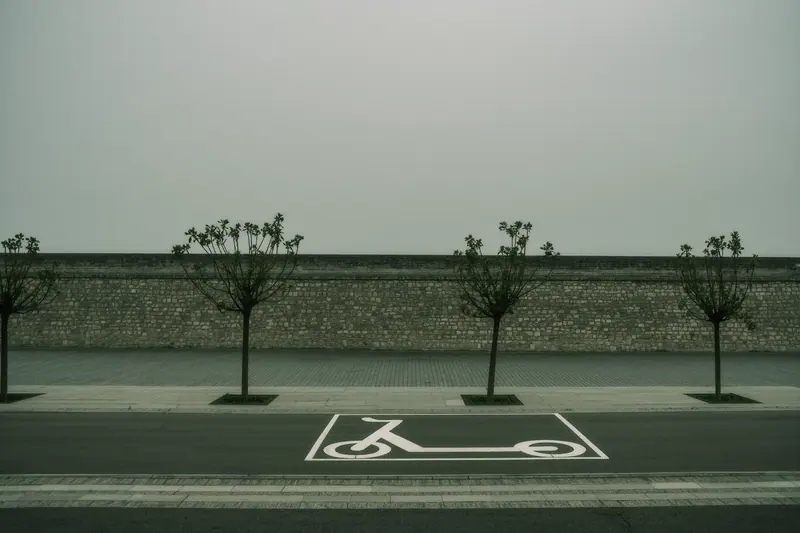
Use them for what they are. For the eleven minutes between the main station and an appointment, unlock whatever is nearest and leave it legally — the rules for that are in where e-scooters may be left, and they apply in spirit to shared bikes too.
For three days of riding the river and the green ring, walk into a shop, get a bike that fits with a lock and lights, and keep it. The gap between the two is not marginal; it is several times over, and the shop bike is better. If you are here for months rather than days, that logic keeps going in the same direction and eventually reaches the conclusion in long-term car rental for a posting: in this city, the vehicle you rent by the year is usually the one you should not have rented at all.
What to check before you book
- Count the days you will ride before you choose. Two or more almost always favours a shop.
- Check the lock that comes with a shop bike and ask what the theft liability is if it is cut.
- Work out where the bike sleeps. Most older buildings here have no secure storage and hotels rarely do either.
- Ask for a bike that fits rather than accepting the one at the front of the rack — saddle height at minimum.
- Check the current rules for carrying a bicycle on the regional trains before planning a one-way ride.
- Confirm what happens on a puncture: whether there is a callout, what it costs, and what the number is.
Questions people actually ask
- Is Frankfurt a good city to cycle in?
It is flat, compact and about twenty minutes across by bike inside the ring, which makes it better than its reputation. The riverside path runs the full length of the city, and a ring of park following the old rampart line loops the old centre almost completely. Against that, some main roads are unpleasant and Sachsenhausen has cobbled streets that punish narrow tyres. Plan routes along the river and the green ring and it is genuinely pleasant.
- When does a shop rental beat the sharing apps?
From about the second hour of riding in a day, and decisively from the second day. Sharing is priced with an unlock plus a per-minute or per-half-hour rate, which is designed for a single journey. A shop day rate is flat and includes a lock, lights and a bike sized to you. If your plan is three days of pottering along the river, the apps will cost several times a weekly shop rate and give you a worse bike.
- Can I take a hired bike on the trains?
Usually, outside peak periods and with a bicycle ticket, on the regional and city networks. The rules are set by the transport authority rather than by the shop, they differ between service types, and they are tightened at busy times, so check the current conditions before you build a plan around riding one way and taking the train back. It is worth the check: the river path east and west is much better ridden in one direction.
- Where do I keep a hired bike overnight?
This is the question people skip. The older apartment buildings here have courtyards and cellars but rarely anything you would leave a bike in unattended, and most hotels have no secure storage at all. A shop rental makes you responsible overnight, so ask what the theft liability is before you accept it, and ask the shop where they suggest — they know which streets are bad.